Advanced PBMt
The Next Evolution in Recovery
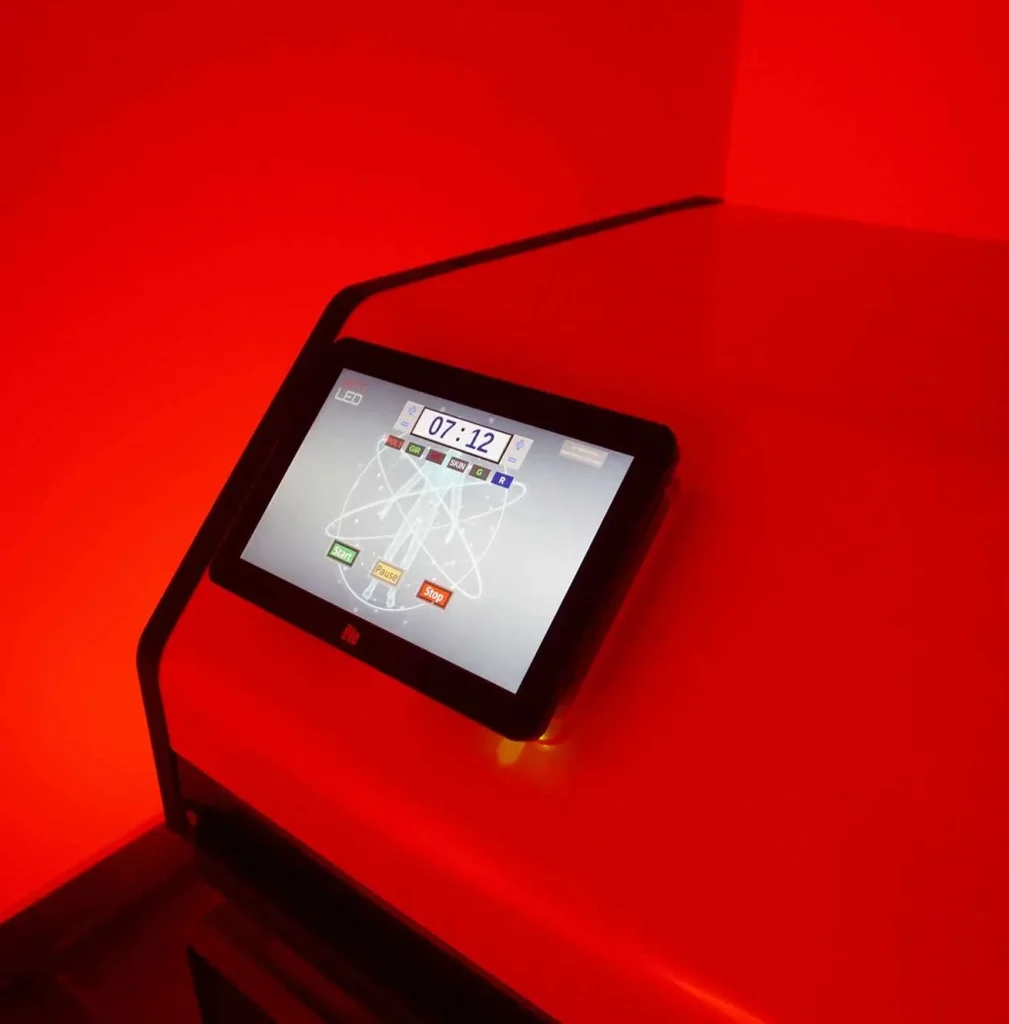
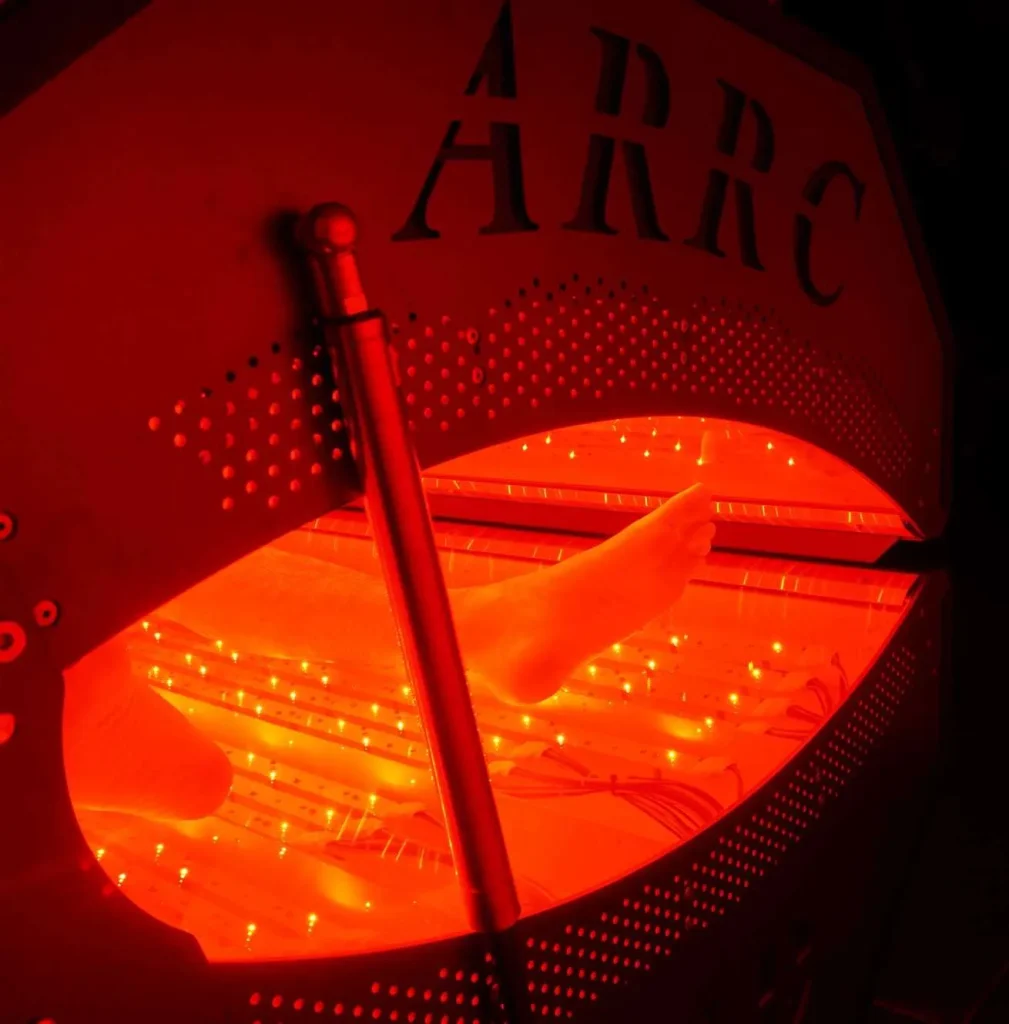
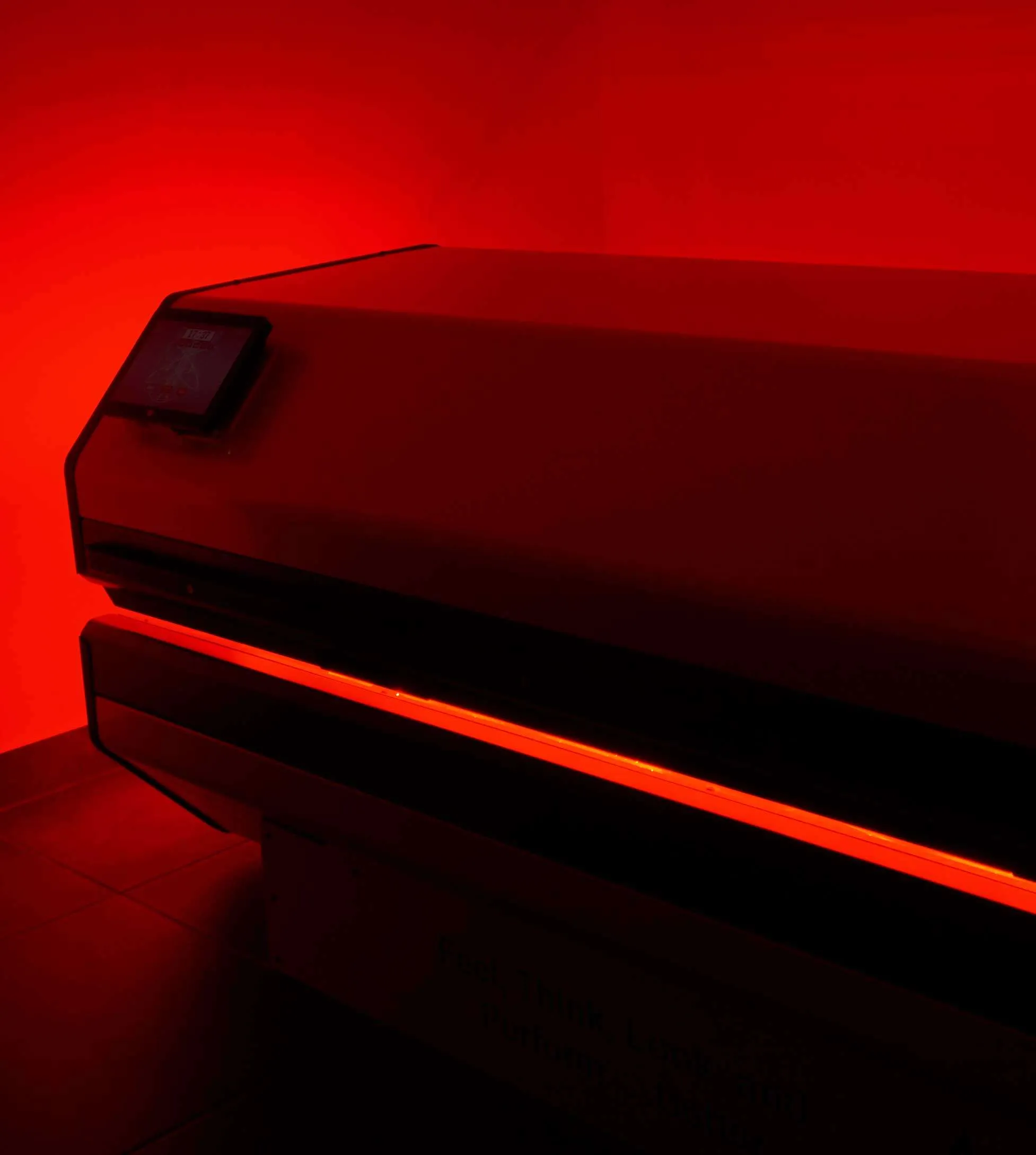
Photobiomodulation (PBM) is a form of light therapy that uses specific wavelengths of light, typically red or near-infrared, to stimulate cellular function, promote healing, and reduce inflammation. This non-invasive therapy works by applying light to the body, which is absorbed by cells, particularly in the mitochondria, leading to increased production of adenosine triphosphate (ATP), the energy source for cellular activity. PBM is used to treat a wide range of medical and cosmetic conditions, including pain, wound healing, tissue regeneration, and skin rejuvenation.
Wavelengths of Light
PBM typically uses light in the red (600–700 nanometers) and near-infrared (700–1000 nanometers) spectra. Red light primarily affects surface-level tissues, while near-infrared light penetrates deeper, reaching muscles, joints, and bones
Mechanism of Action
When light from PBM devices is absorbed by the cells, it interacts with chromophores, particularly cytochrome c oxidase in the mitochondria, leading to increased ATP production. This enhanced cellular energy improves cell function, accelerates tissue repair, and reduces oxidative stress
Non-Thermal
Unlike other forms of light therapy, PBM does not rely on heat generation to create its effects. The light stimulates cellular activity without raising the temperature of the tissues, which makes it safe for a wide range of conditions
How Photobiomodulation Works
PBM primarily targets the mitochondria, the powerhouse of the cell. Here’s how it works:
1
Increased ATP Production
PBM stimulates mitochondria to produce more ATP, which enhances cellular energy and function. This increased energy helps cells repair themselves more effectively
2
Reduction of Oxidative Stress
PBM reduces oxidative stress by promoting the release of reactive oxygen species (ROS) and nitric oxide (NO). This reduction in oxidative damage supports healthier cell function and accelerates tissue repair.
3
Anti-Inflammatory Effects
PBM reduces inflammation by lowering the production of pro-inflammatory cytokines while promoting the release of anti-inflammatory mediators. This makes PBM effective for treating conditions involving chronic inflammation, such as arthritis or muscle injuries.
4
Stimulation of Cellular Growth and Repair
PBM promotes the production of growth factors, collagen, and other proteins essential for tissue repair. It enhances wound healing and can stimulate regeneration in damaged tissues.
Applications of Photobiomodulation
Pain Management and Inflammation
Wound Healing and Tissue Repair
Skin Health and Anti-Aging
Muscle Recovery and Sports Injuries
Nerve Regeneration and Neuropathy
Brain Health
Benefits of Photobiomodulation
Non-Invasive and Safe
PBM is a non-invasive treatment with minimal side effects. It is painless and can be used on a wide variety of conditions without the risks associated with surgery or medications.
Wide Range of Applications
PBM can be used for both cosmetic and medical treatments, including skin rejuvenation, pain relief, wound healing, muscle recovery, and nerve regeneration.
Anti-Inflammatory
PBM helps reduce chronic inflammation, which is at the root of many medical conditions. By decreasing inflammation, PBM promotes faster healing and tissue recovery.
No Downtime
Unlike other therapies, PBM treatments require no downtime or recovery, making it convenient for patients seeking non-disruptive treatment options.
Conditions Treated
Arthritis
Tendonitis
Fibromyalgia
Chronic pain
Neuropathy
Muscle injuries
Wrinkles and fine lines
Scars and acne scars
Wound healing
Brain injuries (under investigation)
Hair loss